
Your logo is often the first thing people notice on apparel and caps, so getting it right matters. Sharp, recognisable branding creates a professional impression and builds a strong brand identity.
Keep your logo consistent across garments, packaging, and digital platforms. Pay close attention to colours, fonts, and shapes for instant recognition.
Think about how your logo will look on different wearables from the start. Will it work well on t-shirts, polos, and headwear? This planning ahead keeps your brand looking cohesive and helps your mark stand out at every customer touchpoint. Working with experienced promotional merchandise suppliers in Townsville ensures your logo is applied professionally across all branded items.
What Makes a Logo Work on Fabric and Caps
When you’re putting your logo on fabric or caps, simple wins every time. Complex designs with loads of detail just turn into a muddy mess when they’re stitched or printed. Stick to clean, bold shapes that people can spot from across the room.
Here’s the test that really matters: shrink your logo down to the size of a postage stamp. Can you still recognise it instantly? If yes, you’re onto a winner.
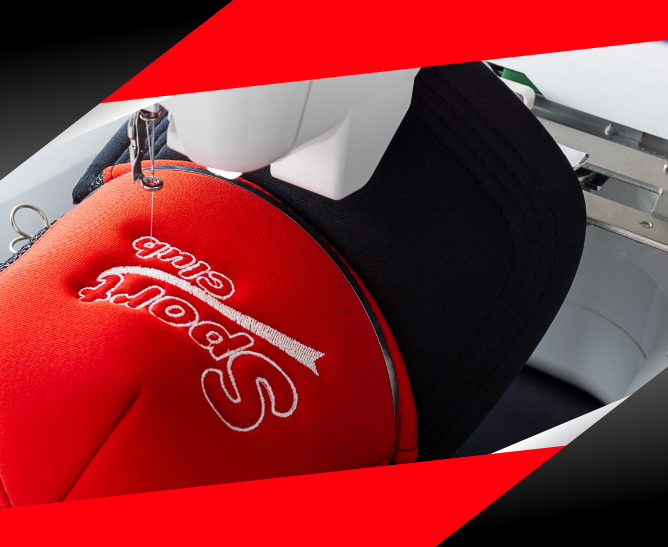
Embroidery has its own rules. Those ultra-thin lines and tiny text that look sharp on your business card? They’ll vanish completely when translated to thread. This is especially true for caps, where you’re working with curved surfaces and limited space.
Think of your logo as needing to work hard in tough conditions. Whether it’s embroidered on the front of a cap or printed on a work shirt, it needs to stay strong and readable. Bold, distinctive shapes are your best mates here.
The sweet spot is finding a design that’s simple enough to stitch clearly but interesting enough that people remember it. Get that balance right, and your logo will look brilliant whether it’s tiny on a polo shirt pocket or large across the back of a jacket.
Colour and Contrast That Read on Garments
Select your brand colours with care, ensuring they align with your identity and remain consistent across all merchandise to build recognition. Research shows using consistent brand colours can boost recognition by up to 80%.
For maximum clarity, always maintain a high level of contrast between your logo and the garment. Opt for dark logos on light surfaces or light logos on dark backgrounds to guarantee instant readability.
Before ordering, always preview how your logo’s colours appear on the full range of garment shades you might offer. A design that stands out on a white shirt could become nearly invisible on heather grey or navy. Making adjustments at this stage prevents costly surprises.
For embroidery, manage your colour palette by limiting the number of threads to around six or fewer. This allows for a crisp, tidy finish and avoids muddy or indistinct results.
Simple, strong contrast, and thoughtful colour choices ensure your logo consistently stands out on any shirt or hat.
Build a Flexible Logo Kit
Start with a monochrome version of your logo for when colour options are limited or you need maximum versatility. This single-colour approach keeps your mark clear and punchy whether it’s embroidered or screen printed.
Create multiple logo layouts to handle different placement needs. A horizontal version works brilliantly for website headers and chest placements on uniforms. Square or vertical versions suit badges, social media profiles, and garment tags perfectly.
Don’t forget an icon-only version that drops the text completely. This stripped-back approach is essential for tight spaces like hat patches or zipper pulls where every millimetre counts.
Prepare both light and dark versions so your branding stays visible against any fabric colour. Export everything with transparent backgrounds to avoid those amateur-looking white boxes that scream “I didn’t think this through.”
These simple steps keep your brand looking sharp and professional on any product or background.
Files and Formats That Print and Stitch Well
For sharp results in printing or embroidery, supply your logo as a vector file in formats like AI, EPS, SVG, or PDF. These formats let your logo scale cleanly to any size without losing clarity, making them perfect for all decoration methods and placements.
When vector files aren’t available, use a high-resolution PNG that’s at least 300 DPI at the intended print size. This maintains sharpness and prevents blurry or pixelated prints.
Skip the low-resolution JPEGs, screenshots, or images grabbed from websites. These are almost always too small and will look jagged when enlarged for printing or stitching.
Don’t send files with unwanted backgrounds unless you specifically need them. Transparent PNGs work best as they prevent ugly white boxes or edges around your design, ensuring a polished result regardless of garment colour.
Getting the format right from the start removes delays and keeps your branding looking crisp, professional, and consistent across every garment.
Match the Decoration Method to the Mark
Embroidery Essentials for Polos and Caps
Embroidery works best with bold shapes and clear lines. Skip gradients completely because threads can’t create smooth colour transitions the way digital printing can.
Keep your colour count to six maximum for sharp, professional results. More colours start blending together and lose that crisp definition you’re after.
Forget about fine details like hair-thin lines or tiny text. These elements simply disappear when stitched, especially on curved surfaces like caps where the fabric stretches and moves.
Embroidered logos create a raised, textured finish that feels premium to touch. Simple, strong elements work hardest here and give you the most recognisable results.
Stick to straightforward layouts that translate cleanly. Your branding needs to stand out clearly, whether it’s on a polo shirt pocket or the front panel of a cap.
Screen Printing for Tees and Some Caps
Screen printing gives you a flat, smooth finish that’s brilliant for vibrant, detailed graphics. It really shines on large print areas like t-shirts where you want bold logos or intricate artwork to pop.
Unlike embroidery, screen printing captures fine lines, gradients, and multiple colours with excellent clarity. This makes it your go-to choice when you need crisp detail and bright colours.
For caps, keep it simple. The curved surface and separate panels can mess with complex artwork or thin details.
Go for strong, high-contrast designs with clear, solid elements. This keeps everything readable and impactful despite the tricky surface.
Watch how your design sits across cap seams. Critical shapes or text can break up or go wonky if they span multiple panels.
Keep your essential graphic elements within the front panel to avoid awkward breaks. This keeps your branding sharp and intact whether it’s on a tee or cap.
Patch-Based Approaches for Headwear
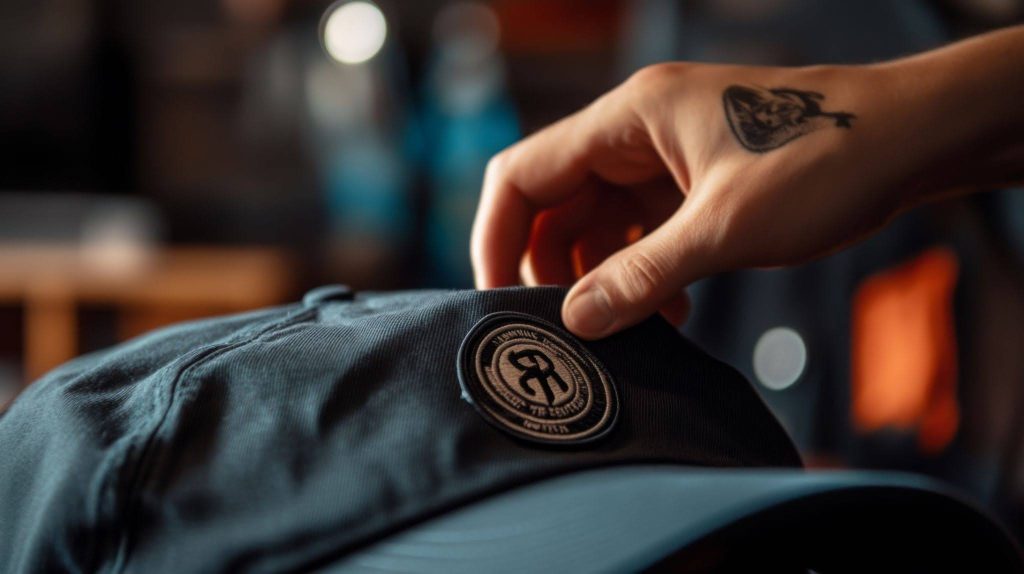
Patches give your headwear instant impact. They create a raised, premium feel that catches attention and adds personality to any cap or beanie.
Stick to simple shapes like circles or rectangles for the strongest visual punch. These clean forms read clearly from a distance and avoid the visual clutter that complex shapes can create.
A distinct border around your patch makes all the difference. It separates your logo from the fabric background and ensures sharp definition, especially on darker materials where details can get lost.
Beanies and trucker hats are perfect candidates for patch decoration. The patch becomes a focal point that works brilliantly regardless of the base fabric’s texture or colour.
Keep your patch design bold and straightforward. Simple shapes with clear outlines consistently deliver the most recognisable results and maintain that professional look you’re after.
Placement and Sizing That Look Professional
Getting logo placement and sizing right is what separates professional-looking gear from amateur attempts. For polos, stick with the left chest position. It’s classic for a reason and keeps your logo visible without overwhelming the garment.
Want maximum impact? Go large across the upper back. This placement works brilliantly for events or workplace uniforms where you need serious visibility.
Caps need a completely different strategy. Structured caps work best with logos positioned front and centre for the strongest impression. Always check how your design sits across cap seams and panels because poorly positioned elements can wreck the whole look.
Here’s something that catches people out: logo size looks very different in real life than on your computer screen. Your design needs to stay readable at a glance, so ditch any tiny details that vanish when someone’s standing a few metres away.
As a rough guide, chest logos typically work well between 7 and 10 cm wide. For caps, stick to 4 to 6 cm across the front panel. Always review proofs on actual garment templates before giving final approval. This simple step prevents nasty surprises and keeps your branding looking sharp.
Design Process and Collaboration
Start with an editable template or simple draft layout to get your basic design in place quickly. Then adjust colours, fonts, and icons so every element connects with your brand’s story and market positioning.
Focus on cohesion at this stage. Grids and geometric shapes help align each detail and maintain a professional, uniform appearance across different logo variations.
Share working drafts with your team or stakeholders regularly as you refine your design. Quick feedback leads to efficient revisions and prevents delays later.
Use tools that allow real-time edits and comments from different devices. This speeds up the approval process and keeps your artwork sharp and on-brand, whether someone’s reviewing it on a computer, tablet, or mobile.
Always preview your logo mock-up on all potential garment colours and product types before placing orders. Subtle changes in fabric shade or item shape can seriously impact your logo’s legibility or appeal.
A thorough preview at this stage catches problems early and guarantees your finished product delivers the impact you’re after.
Pre-Production Checklist for Apparel and Caps
Before sending artwork for production, shrink your logo down to postage-stamp size to check if every detail holds up. If it’s recognisable at this scale, it will read clearly on small embroidery areas and labels.
Prepare multiple versions of your logo, including monochrome, light-on-dark, dark-on-light, and icon-only options. This flexibility means your branding is ready for any garment colour or decoration method constraint.
Always provide vector files in AI, EPS, or SVG formats for maximum quality and easy resizing. If you can’t supply vectors, use a high-resolution PNG (minimum 300 DPI at print size) with a transparent background. This ensures sharp results with no unwanted background boxes.
For embroidery, simplify your logo by removing intricate details and limiting colours to six maximum. Avoid ultra-thin elements and tiny fonts as they disappear or distort when stitched, especially on caps.
When working with caps, visualise your logo across curved surfaces and seams. Check how it reads over multiple cap panels, since breaks or stretching can affect clarity.
Test your logo for contrast on both light and dark garment swatches before approval. Export transparent PNGs for proofs and digital use to avoid unexpected outlines or white backgrounds.
These steps guarantee your logo remains clear, recognisable, and professional across every garment and cap style.
Turn Your Logo into Wearable Brand Equity
Using your flexible logo kit consistently across all apparel, caps, packaging, and digital platforms builds brand equity every time someone sees it. Each logo variation needs to maintain brand recognition at every touchpoint, whether it’s the monochrome version, icon-only, or full layout.
Match your decoration method to the item you’re working with. Embroidery suits bold, simple shapes brilliantly on polos and caps, whilst screen printing captures detail and vibrancy on t-shirts.
Here’s what really matters: test your logo on actual garments, not just digital mock-ups. See how colour, contrast, and scale perform on real fabric under different lighting conditions.
Make adjustments as needed to keep your branding recognisable and visually strong, regardless of garment style or material.
Keep refining your approach by checking how your logo survives washing, stretching, and daily wear. This ongoing attention protects your brand’s visibility and impact over time, turning every piece of apparel into a walking advertisement for your business.